Speed-Optimized Fencing: An SEO-Ready Outline
Speed Techniques and Footwork
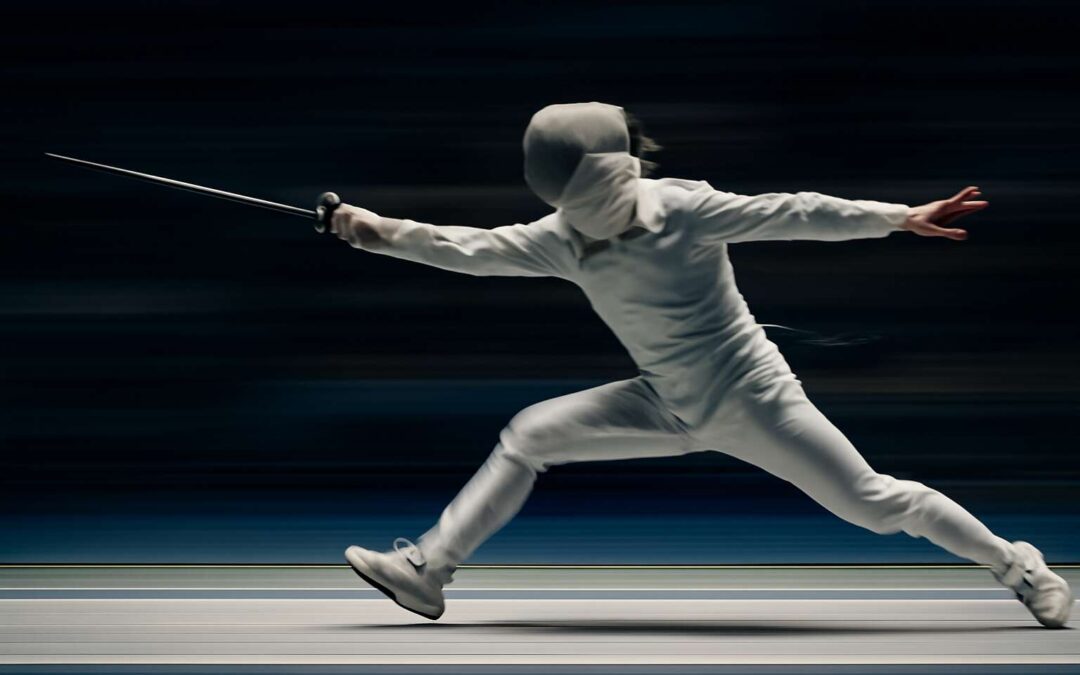
In the arena, speed fencing is poetry on a timer, where every breath counts. Elite fencers shave openings by as much as 0.32 seconds through precise speed techniques, turning hesitation into a blur of motion. It’s the artful convergence of footwork and timing that dazzles crowds in South Africa.
Key pillars of this craft are cadence, stance, and micro-adjustments. To cultivate that edge, focus on these elements:
- Footwork cadence: light, economical steps that maintain balance
- Compact lunges: sharp reach without wasted motion
- Angle management: feints that reset the line
Training unfolds as a study in restraint and flair; the body learns to anticipate lines before they appear, while the mind keeps a clear tempo. In this discipline, polish meets pressure, and the fastest move still wears composure. A craftsman’s approach to this sport speaks to the broader dream of excellence—visible, tangible, and quietly heroic.
Conditioning for Speed in Fencing
In speed fencing, milliseconds become poetry on the strip, a clockwork of breath and blade that hones itself in the heat of competition. Across South Africa, champions prove that the edge is a quiet, practiced tempo—a philosophy that prefers precision over noise.
This SEO-ready outline anchors conditioning for speed beyond technique, inviting a subtle menagerie of factors: neural priming, proprioceptive calibration, and tempo fortitude that hold under pressure.
- Neural priming for anticipatory timing
- Proprioceptive calibration to stabilize line changes
- Tempo fortitude to sustain velocity under fatigue
With that discipline, the blade finds its line before the foot lands, and the arena bears witness to a measured ascent—where the art of speed is a craftsman’s devotion rather than a shout.
Equipment and Setup for Fast Fencing
In speed fencing, milliseconds become allies, not adversaries. “Rhythm over roar,” a veteran South African coach observes, and the right setup makes that rhythm measurable rather than miraculous. This SEO-ready outline focuses on equipment and setup that coax velocity from the blade without flash or fanfare.
A reliable kit anchors the pace—designed for tactile feedback and consistent performance under fatigue.
- Lightweight blade with balanced center of gravity
- Proper mask, glove, and plastron for secure contact
- Electronic scoring system and wired body cords
- Piste mats with responsive surface and optimal beam alignment
- Fencing shoes with firm grip and ankle support
- Quality uniforms and accessories for airflow and comfort
When the setup is calm and precise, the blade finds its line as the foot lands, and the arena bears witness to a discipline that feels like craft.
Strategy, Metrics, and Performance Improvement
In the arena, a single digit millisecond edge can decide the bout. Speed fencing isn’t noise or bravado; it’s a disciplined rhythm where timing, geometry and perception align under pressure. A well-crafted SEO-ready outline strategy turns that edge into measurable progress, turning breath and blade into consistent results. South Africa’s training halls know that data beats drama when the walls echo with the whisper of contact and precision.
- reaction time and decision latency
- blade line accuracy at contact
- tempo consistency across rounds
Performance improvement comes from translating those metrics into clear dashboards, benchmarks, and intuitive narratives for coaches and clubs alike—keeping speed fencing a craft, not a trick, and ensuring every measurement clearly supports improvement.
