Understanding the electric fencing energiser
What is the electric fencing energiser and what does it do
The electric fencing energiser is the quiet powerhouse behind a secure boundary. A single compact box can turn a garden gate into a vigilant sentinel, delivering just enough menace to deter without drama!
What is it and what does it do? It converts stored energy into short, high-voltage pulses that travel along the fence line, giving animals a harmless reminder to keep their distance. The device thrives on reliable power, proper grounding, and dependable insulation.
- Power source: battery, mains, or solar
- Output: adjustable voltage and pulse rate to suit stock
- Diagnostics: built-in fault detection and indicators
In South Africa, farmers and game farmers alike depend on this discreet guardian to protect crops, livestock, and property—with a touch of pragmatism and good humour.
How the energiser converts power into high voltage pulses
Across South Africa’s farms and game reserves, a single electric fencing energiser quietly guards hundreds of metres of boundary, turning risk into routine. In my observations, that compact heart keeps the fence alive with purpose and restraint—a vigilant companion that chooses discretion over drama.
Power becomes intention when the energiser converts stored energy into short, high-voltage pulses that travel along the line. I hear the fence speak in a clipped rhythm—brief, decisive, and safe—a reminder that deters without fear. The device thrives on reliable power, solid grounding, and dependable insulation.
- Source energy: battery, mains, or solar.
- Pulse design: voltage and cadence tuned to stock.
- Diagnostics: built‑in fault detection and indicators.
Understanding this conversion is more than circuitry; it’s stewardship, a quiet promise to protect livelihoods with efficiency.
Key components of the electric fencing energiser
Across South Africa’s farms and reserves, a single electric fencing energiser holds the line—quietly converting grit into guardrails of voltage. Reliability isn’t flashy; it’s uptime, rapid fault detection, and honest power management.
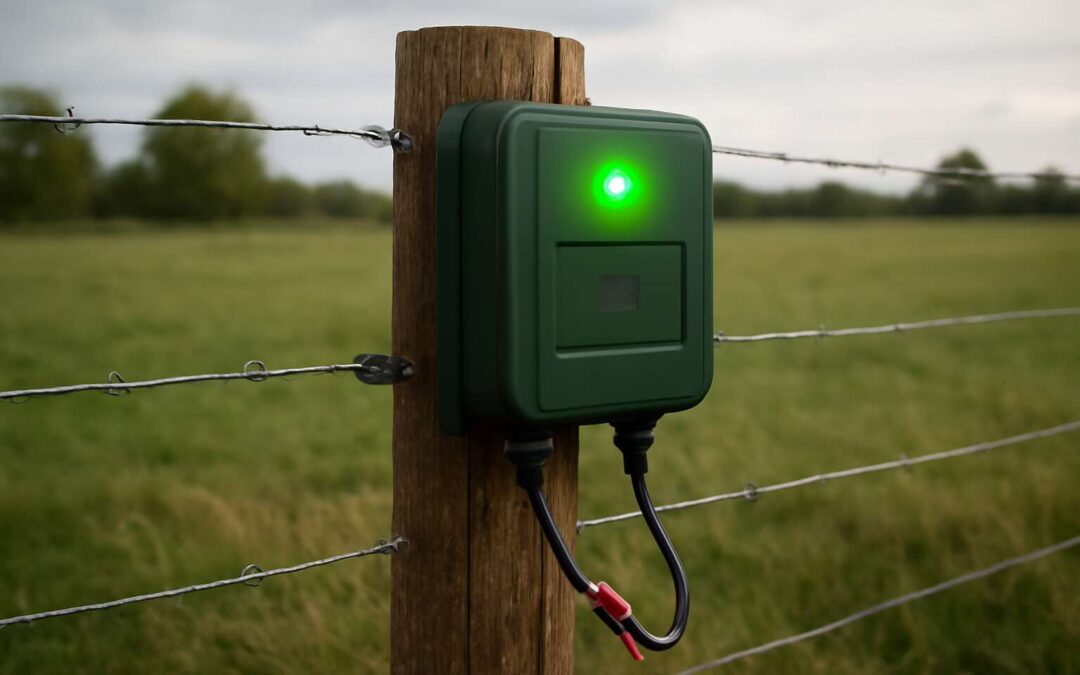
Key components work in concert: the core power module delivers pulses, the timing and cadence circuitry shapes the signal, and the grounding and insulation network keeps the fence safe and effective. In tough conditions, rugged enclosures protect electronics, while clear indicators show status at a glance—so maintenance becomes straightforward rather than reactive.
Here are the elements that keep it dependable:
- robust housing and weather sealing
- reliable power input and charging options
- clear diagnostic indicators for quick fault finding
When designed with these in mind, the energiser becomes a steward of livelihoods—efficient, discreet, unwavering.
Types of electric fencing energisers
“Power is protection,” a seasoned SA farmer often jokes, and he isn’t far off. The electric fencing energiser acts as the quiet backbone of a barrier that lasts through drought, storms, and the occasional curious baboon. When tuned right, it delivers steady pulses, reliable uptime, and the peace of mind that the line stays intact—even on the toughest farms.
Types of energisers are varied to suit conditions and budgets:
- Mains-powered energisers for fixed installations
- Solar-powered energisers for remote or off-grid fencing
- Hybrid/portable units that blend power sources
Choosing the right model boils down to enclosure ruggedness, power input options, and clear diagnostic indicators—features that keep the whole setup reliable without fuss.
Output metrics and performance you should understand
On South African farms, the quiet hum of the electric fencing energiser anchors every boundary with a patient, protective rhythm. To grasp its performance, focus on the output metrics that translate power into reliable pulses. Key parameters like output voltage, joule rating, pulse rate, and diagnostic indicators reveal whether the line will hold through heat, dust, and the occasional brazen baboon.
- Output voltage and joule rating
- Pulse rate and pulse duration
- Current draw and energy efficiency
- Diagnostics and fault indicators
Interpreting these metrics with the enclosure and power source in mind turns a simple fence into a resilient, almost sentient boundary—one that seems to listen to the veld and reply with steady, sparing pulses.
Common myths about electric fencing energisers
Across South African velds, the electric fencing energiser operates as a patient sentinel, its quiet hum marking boundaries with a steadiness that belies the heat and dust of long days. Understanding its role means recognizing that performance hinges on context—enclosure, grounding, and the pulse rhythm that keeps fences honest without drama. It delivers disciplined communication, not a curse or a toy, and it deserves thoughtful, human listening.
- Rain or dew will automatically short the system.
- Higher voltage always equals a better deterrent.
- A well-chosen energiser requires no maintenance.
- Electric fences are cruel or dangerous to wildlife and people.
Ultimately, the electric fencing energiser is not a magical talisman; it’s a careful balance of components, placement, and respect for the land. Common myths endure because fear travels faster than voltage, but the truth sits in context—voltage alone does not determine success, and thoughtful design matters more than bravado.
Choosing the right electric fencing energiser
Assessing animal types and enclosure size for the energiser
Power and perimeter share a heartbeat, and the right electric fencing energiser can turn a fragile boundary into a vigilant guardian. “The right energiser gives quiet confidence at dawn,” a South African farmer notes, and that sentiment travels from the Karoo to the coast.
Choosing the right device begins with understanding who you’ll fence and how large the enclosure is. Assess animal types and behaviour—goats squeeze, sheep drift, cattle push—and translate that into impulse duration and response speed. A perimeter of 2 kilometers or more demands a higher-energy unit and robust battery life.
- Animal types and temperament
- Perimeter length and density
- Power source options
From there, weigh the enclosure’s corners and gates, fencing material, and exposure to weather in South Africa. Solar-ready energisers with surge tolerance are popular, but so are models with easy maintenance and clear diagnostics—features that keep downtime minimal and safety high.
Power sources and battery versus mains options
South African farmers sleep easier knowing their electric fencing energiser can outlast load-shedding and searing sun. The right power source isn’t glamorous, but it’s stubbornly dependable—and that’s what turns a boundary from a sigh-inducing barrier into a midnight sentinel.
Power source options to consider include the following:
- Battery-powered with robust capacity and a plan for quick top-ups
- Mains-powered for steady daily performance, with proper isolation
- Solar-ready energisers with surge tolerance to weather SA’s capricious skies
- Hybrid setups that switch sources automatically when the grid wobbles
For the electric fencing energiser, battery life and surge tolerance are the real heroes, ensuring peak performance when the grid plays hide-and-seek and the sun forgets to shine.
Matching output energy to your fence and soil conditions
Across South Africa, 68% of fence failures trace to mismatched energy output, a stat that makes the heart of a boundary beat more surely. When you choose a dynamic electric fencing energiser, you’re not chasing shadows—you’re tuning a heartbeat.
Match output energy to your fence and soil: longer fences demand higher pulse energy; damp soil returns less current, and parched earth can spark instability. A proper electric fencing energiser translates sun, wind, and root tension into reliable pulses.
Consider these quick calibrators:
- Fence length and wire type determine impulse demands
- Soil moisture and ground conditions affect pulse reception
- Animal pressure and enclosure layout guide power settings
With the right balance, your boundary becomes a midnight sentinel, steady as a drumbeat in the SA night.
Safety features and certification for the energiser
Fences aren’t just about keeping critters out; they’re about a safe, reliable heartbeat that never falters. The right safety features on an electric fencing energiser matter more than aesthetics, and certification is the quiet guarantee your boundary won’t bite back.
To choose wisely, look for these safeguards:
- IP-rated weatherproof enclosures for SA’s harsh outdoors
- Integrated fault detection with automatic shutdown to curb energy leaks
- Certifications such as SABS approval, CE marking, and RoHS compliance for safety and compliance
Put your faith in a unit with robust safety features and proper certification—peace of mind in the SA night!
Budget, warranty, and brand reputation for electric fencing energiser
Budget isn’t just a number; it’s the boundary between reliability and regret. When choosing an electric fencing energiser, the best value lies in a unit that respects your enclosure’s scale without sacrificing core performance. In SA, that balance matters as temperatures swing and dusk settles over the veld.
- Budget alignment: ensure the unit matches your fence length and boundary needs.
- Warranty expectations: a robust warranty signals confidence and future service support.
- Brand reputation: established makers often deliver parts, tech updates, and accessible service.
In my experience, a strong brand remembers you after purchase, offering local support networks and clearer firmware updates. That ongoing relationship keeps the heart beating when storms roll in!
Installation and setup for the electric fencing energiser
Site planning and fence layout for the energiser
Power is the quiet sentinel along the fence line. A single breath from the electric fencing energiser can choose the night’s fate, fending off prowlers with a crack of voltage and shadow. “A fence is a vow whispered in current,” a weathered stockman once told me, smiling.
Site planning for the electric fencing energiser begins with the lay of the land, the angles of sun and wind, and the fence’s inevitable curves. Think gate positions, soil moisture, and the grounding path; these choices shape performance long before the first spark leaps.
Consider these layout factors:
- Terrain and exposure
- Gate placement and livestock corridors
- Power access and service routes
- Soil moisture and grounding behavior
When the plan aligns, the enclosure’s shadow grows calm, and the energiser stands as a steadfast guardian in the South African dusk. In that quiet hour, the system breathes steady, weathering the veld’s unpredictable moods.
Grounding and bonding best practices for the energiser
The veld hums at dusk, and a well-grounded electric fencing energiser keeps the boundary calm. “Grounding is the quiet heartbeat of a fence,” a seasoned stockman remarked, and the truth lands with a soft crack in the air.
Installation and setup hinge on a solid earth reference and clean bonding that survive sun, rain, and hiking cattle tracks.
- Grounding path integrity across soils
- Bonding quality between fence and energiser earth
- Corrosion-resistant, weatherproof connections
- Accessible service points for maintenance
Aligned, the system breathes steady, a patient guardian under South African skies.
Wiring connections and testing the electric fencing energiser
Across South Africa, farms learn that installation quality determines uptime more than any gadget. The electric fencing energiser performs best when wiring paths are clean and the earth reference is solid. Right setup stays calm as dusk settles and cattle shift along the boundary.
With wiring connections and testing, aim for robust but unobtrusive integration: keep conductors dry, shields intact, and service points accessible for inspection.
- Clean, tight connections and corrosion-resistant hardware
- Solid earth electrode placement and clean bonding
- Moisture management and clear labeling for maintenance
Testing becomes a routine heartbeat: inspect indicator lights, listen for pulse notes, and record results in the farm notebook. In the South African context, practical, neat installs blend reliability with pastoral charm.
Indicators and alarms for monitoring the energiser
On the South African farm, the electric fencing energiser stands as a quiet sentinel at dusk, its light a steady vigil as cattle drift along the boundary. Installation and setup hinge on clear indicators and reliable alarms that translate the unit’s pulses into readable truth, keeping the fence honest without fuss.
Indicators and alarms for monitoring the energiser speak softly but distinctly:
- LED indicators show status, voltage, and fault conditions at a glance
- Audible alarms alert you to anomalies or overloads
- Optional remote monitoring with mobile alerts extends oversight beyond the homestead
With these signals, the device becomes part of the farm’s living fabric, blending reliability with the quiet poetry of the veld.
Outdoor vs indoor installation considerations for the energiser
At dusk, the veld keeps its vigil as the electric fencing energiser hums softly along the boundary. On South African farms, installation must endure sun, dust, and sudden squalls, becoming a steadfast fixture rather than a fickle afterthought.
Outdoor versus indoor installation considerations for the electric fencing energiser hinge on exposure and power, with thunderstorms and dust shaping the choice.
- Weatherproof enclosure to shrug off rain and dust
- Secure cable runs and steady mounting to deter wildlife
Either way, the energiser finds its place, as quiet as a shadow, keeping the fence honest through long nights.
Maintenance, safety and troubleshooting for the electric fencing energiser
Regular maintenance checklist for the electric fencing energiser
Across South Africa’s farms, downtime on a fence translates to dollars lost. Regular care of the electric fencing energiser keeps pulses steady and livestock calm. A well-tuned unit reduces unexpected outages and extends component life, even when dust and heat swirl in the veld.
Safety is built into the system’s design, and ongoing awareness matters. Keep warning signs visible, ensure access is restricted to trained personnel, and verify that the energiser’s indicators reflect proper operation. A robust grounding and clean connections are part of this quiet vigilance.
Troubleshooting hinges on listening for faint or irregular pulses, blinking LEDs, or a dip in field strength. When symptoms appear, consult the manual or a qualified technician rather than improvising, to preserve safety and warranty.
Troubleshooting common faults in the energiser and fence
Across South Africa’s farms, downtime on a fence translates to dollars lost. Regular care of the electric fencing energiser keeps pulses steady, livestock calm, and the money flowing.
Safety is built into the system’s design, and ongoing awareness matters. Keep warning signs visible, ensure access is restricted to trained personnel, and verify that indicators reflect proper operation. A robust grounding and clean connections are part of quiet vigilance!
Troubleshooting hinges on listening for faint or irregular pulses, blinking LEDs, or a dip in field strength. If symptoms appear, consult the manual or a qualified technician rather than improvising, to preserve safety and warranty.
- No power indicator or erratic signals
- Low pulse intensity or dips along the fence
- Corroded, loose, or wet connections
Safety guidelines and protective gear when working with energisers
Across South Africa’s farms, even a one-hour fence outage costs real rand and patience. Regular maintenance keeps pulses steady, livestock calm, and profits flowing. A well-tuned electric fencing energiser is more than a gadget; it’s a quiet guardian of the veld, turning risky plots into predictable lines of protection.
- Non-conductive gloves and eye protection
- Insulated boots
- Remove metal jewellery and secure loose hair
Safety guidelines and protective gear when working with energisers set a professional tone and prevent accidents.
Maintenance and troubleshooting come down to routine checks—clean connections, verify grounding, and watch indicators for steady clues. If symptoms arise, consult the manual or a qualified technician; improvisation invites risk and voids the warranty.
Step-by-step troubleshooting flow for energisers
Maintenance is the quiet undercurrent that keeps a farm’s perimeter awake at night. In the harsh daylight, the electric fencing energiser stands as a sentinel, its pulses steady and faithful. One hour of outage costs real rand and patience; neglect invites trouble, and trouble swallows profits.
- Power up and visually inspect the energiser housing, cables, and ends for wear or corrosion.
- Test the output with a compatible tester, confirm the ground stake is sound, and verify the fence is continuous.
- Clean the terminals, reseat connections, and ensure soil contact is firm and free of debris or rust.
- Record readings, compare against your specification, and consult the manual or a qualified technician if symptoms persist.
A well-tuned electric fencing energiser remains a quiet guardian, turning risk into routine and doubt into certainty on the veld.
When to call a professional for the energiser
On South Africa’s rugged veld, the electric fencing energiser acts as a quiet heartbeat—pulses steady, gates secure, stock safe. Maintenance is the quiet ballast that keeps that heartbeat audible through dust, heat, and long days. One hour of outage costs real rand and patience; neglect invites trouble, and trouble swallows profits.
Safety is a horizon, not a hurdle. Power down before any touch, keep bystanders clear, and wear sturdy gloves when near live equipment. If symptoms persist, consult the manual or a qualified technician to avoid costly misfires.
- Voltage readings are irregular or drop off without explanation
- The energiser housing shows cracks, burn marks, or corrosion
- Pulse pattern becomes erratic or the fence fails to ring true
A well-tuned electric fencing energiser remains a quiet guardian, turning risk into routine on the veld.
