
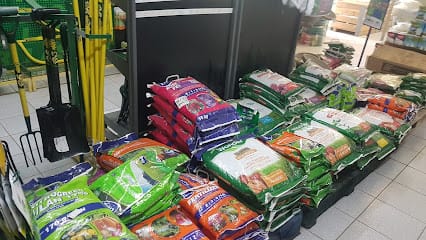
GWK Barkley West is a Agricultural cooperative establishment in Barkly West, Northern Cape, South Africa
Barkly West
Northern Cape
South Africa
Sorry, no records were found. Please adjust your search criteria and try again.
Sorry, unable to load the Maps API.
Agricultural Cooperative Services in Barkly West, Northern Cape
Agricultural cooperatives in Barkly West serve as community-minded hubs for farming households and smallholder enterprises operating in the Northern Cape. The region’s climate, soils and water resources shape the demand for shared services, and the cooperative model offers producers a practical way to access inputs, markets and knowledge without bearing the full burden alone. Local cooperatives typically emphasise reliability, collective bargaining, and mutual support within the agricultural value chain.
Customers engaging with these cooperatives may range from livestock keepers and horticulturalists to grain producers and informal market gardeners. The core value proposition is to pool resources, reduce individual costs and improve access to essential services that would be costly or difficult to obtain independently. In Barkly West, where farming activities often hinge on seasonal cycles and variable rainfall, the cooperative structure can provide a more predictable framework for planning, budgeting and risk sharing. Members frequently benefit from collective storage, transport arrangements and easier access to inputs such as seeds, fertilisers and crop protection products through negotiated terms.
Many agricultural cooperatives in this area offer a blend of practical services designed to support day-to-day farming and longer-term resilience. Typical offerings include:
- Input procurement and bulk purchasing to achieve economies of scale
- Shared storage facilities and basic post-harvest handling support
- Access to credit or credit-like arrangements tailored for smallholders
- Technical advisory services, including crop rotation advice, soil health considerations and pest management
- Marketing assistance, including coordinating sales, coordinating with buyers and facilitating transport
- Training and capacity-building programmes on farm management, record-keeping and business literacy
In practice, the cooperative often operates as a member-driven organisation where decisions are guided by the needs of the local farming community. Members contribute by paying fees, volunteering time or supplying produce, depending on the cooperative’s rules. Governance typically involves a small board or committee that sets priorities, approves budgets and oversees general administration. Transparency in financial matters is commonly emphasised, along with clear rules about membership eligibility, benefit distribution and the equitable allocation of resources.
The customer experience in Barkly West centres on straightforward access to essential services without excessive travel or costly intermediaries. Prospective members or customers can expect initial information to cover membership requirements, the range of services available, and the process for obtaining inputs or arranging collective sales. Practical considerations often include seasonal demand patterns, distance to markets, and the reliability of local transport options. Members are encouraged to engage in regular meetings or information sessions to stay informed about price movements, planting calendars and market opportunities.
Potential challenges may arise from climate variability, fluctuating input costs, and competition for scarce resources. Successful cooperatives tend to address these through prudent financial management, diversified service offerings and strong community engagement. The cooperative model also emphasises social value, including local job creation, skills development and greater participation by small-scale producers in regional agricultural markets.
Overall, agricultural cooperative services in Barkly West aim to strengthen the capacity of local farming communities to operate more efficiently and with greater resilience. For farmers and growers in the Northern Cape, participation in a cooperative can facilitate access to essential goods and services, provide a platform for collective action, and help sustain productive livelihoods in a challenging, resource-constrained environment.