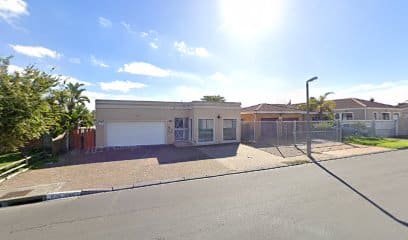
DEONEL CONSTRUCTION is a Construction company establishment in Cape Town, Western Cape, South Africa
Cape Town
Western Cape
South Africa
Sorry, no records were found. Please adjust your search criteria and try again.
Sorry, unable to load the Maps API.
Construction Services in Cape Town, Western Cape
Construction companies operating in Cape Town, Western Cape, offer a range of services designed to support commercial, residential and mixed-use developments. From initial feasibility assessments to project completion, these firms often combine local knowledge with technical capabilities to navigate the specific climate, terrain and regulatory environment of the region. The city’s location near the Atlantic coast and its varied topography shape delivery methods, timelines and material choices, with attention paid to sustainability, energy efficiency and resilience against seasonal weather patterns.
Typical offerings include pre-construction planning and design coordination, where clients receive guidance on project scope, budgets and schedules. This stage commonly involves collaborating with architects, engineers and surveyors to produce viable concepts, accurate cost estimates and robust project programmes. Once plans are approved, construction teams manage site preparation, procurement and on-site execution. Emphasis is often placed on aligning work with local building regulations, zoning requirements and safety standards, while also considering the region’s environmental considerations and cultural heritage aspects where applicable.
Residential work frequently covers new homes, extensions and renovations. Builders may deliver services such as structural alterations, roofing, plumbing, electrical installations and finishes that reflect Cape Town’s architectural preferences and climate. In multi-unit residential schemes, project management emphasises coordination of trades, quality control, and adherence to noise and traffic management restrictions that can influence daily progress on urban sites.
Commercial and industrial projects in the Western Cape commonly involve more complex mechanical, electrical and plumbing (MEP) installations, as well as specialised finishes and durability requirements. Construction companies may offer turnkey solutions or collaborate with external consultants to ensure mechanical systems, fire safety, acoustics and energy efficiency meet performance targets. The temperate coastal climate encourages considerations around moisture management, corrosion protection and long-term durability for exterior facades, roofing and structural components.
Infrastructure and civil works are also part of the landscape in and around Cape Town. These services cover earthworks, drainage, pavements, utility connections and road access. Projects in this category often require close coordination with municipal authorities, as well as environmental and heritage regulators. Civil works schedules are influenced by seasonal rainfall patterns and the availability of skilled labour, materials and plant.
Project delivery typically follows a structured sequence: initial consultation, design development and procurement, site mobilisation, construction and commissioning, with a handover and post-completion support. Clients can expect a clearly defined programme, regular progress updates and formal approvals at key milestones. Quality control processes, safety protocols and site supervision contribute to risk management and accountability throughout the build.
Practical considerations common to construction in Cape Town include climate-aware planning, given the area’s seasonal rains and dry summers. Material choices may reflect local availability and cost factors, with a focus on durability, sustainability and life-cycle performance. Access to skilled trades, logistical efficiency for material delivery, and adherence to noise and traffic restrictions in urban environments are important for maintaining schedules and neighbour relations. Insurance requirements, warranties and aftercare are typically addressed as part of the project package, offering coverage against defects and ensuring customer satisfaction upon handover.
Clients often ask about energy efficiency and environmental impact. Many projects explore options such as solar readiness, water conservation measures, and insulation performance to optimise running costs and resilience. Building in Cape Town frequently involves considerations around prevailing wind directions, solar shading, and passive design strategies to improve comfort and reduce energy demand without compromising aesthetics or functionality.
In terms of selecting a contractor, potential clients are advised to review prior project experience relevant to the sector, confirm references, and verify compliance with local regulations and safety standards. Transparent pricing, clear contracting terms and a realistic timetable contribute to a smooth collaboration. While specific platforms or tools may feature in project administration, the core expectation remains clear communication, steady progress, and resulting workmanship that aligns with the client’s objectives and the Western Cape’s distinctive environment.