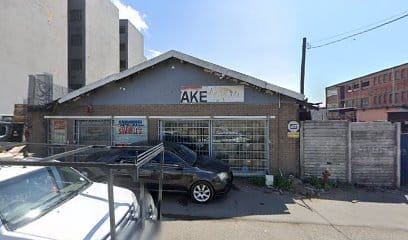
Clearvu Super Fencing is a Fence contractor establishment in Durban, KwaZulu-Natal, South Africa
Durban
KwaZulu-Natal
South Africa
Sorry, no records were found. Please adjust your search criteria and try again.
Sorry, unable to load the Maps API.
Fence Contractor Services in Durban, KwaZulu-Natal
In Durban, KwaZulu-Natal, fence contracting encompasses a broad range of access control and boundary solutions designed to suit coastal living, urban plots, and rural parcels. Local contractors typically offer design guidance, material selection, installation, and post-installation maintenance to help property owners secure boundaries, enhance privacy, and improve curb appeal in a climate that blends subtropical warmth with high humidity and coastal exposure.
Common fencing options include timber panels, steel palisade, aluminium picket systems, and welded mesh fences. Timber remains a popular choice for familiar aesthetics and quick instalment, though it requires regular maintenance to withstand Durban’s humidity and termite activity. Steel and aluminium alternatives provide increased durability and lower maintenance, with powder-coated finishes that resist rust and corrosive air near the coast. Weldmesh offers a transparent security solution suitable for front boundaries, visibility for street presence, and ease of repairs. Brick or concrete boundary walls may be used where privacy and sound dampening are priorities, often paired with gates or piers to create a cohesive boundary feature.
Beyond basic fencing, many Durban contractors extend services to ancillary elements such as gates, gate automation, and access control systems. Manual and motorised gateways are commonly installed to facilitate convenient vehicle and pedestrian entry while maintaining security. Gate automation, when chosen, is typically wired to a control mechanism, with safety features to prevent accidental operation. Some projects may incorporate security features such as anti-climb profiles, reinforced rails, or privacy screens, depending on site requirements and risk considerations.
Site assessment forms a crucial first step in the process. An experienced contractor will survey the property footprint, identify underground utilities, assess ground conditions, and evaluate soil stability, drainage, and slope. Local climatic factors are considered, including coastal winds and the potential for salt corrosion. The contractor will also discuss customer preferences for aesthetics, privacy, security, and the desired maintenance profile. From this assessment, a customised plan is developed, outlining material choices, fencing layouts, gate locations, and estimated timelines.
The installation phase involves preparation and precision. Groundwork may include clearing vegetation, trenching for fence posts, and setting posts in concrete or appropriate soil mixes. Timbers are treated to increase longevity, while metal components are galvanised or coated to resist corrosion. Alignment, plumbness, and consistent panel spacing are emphasised to ensure a neat finish and durable performance. After installation, a clean-up is performed, and basic instructions for care and maintenance are provided to help sustain the fence’s appearance and function over time.
Practical considerations for Durban projects include coastal salt exposure, which can accelerate wear on untreated materials. Routine maintenance schedules are advised, particularly for timber structures that may require sealing, staining, or repainting. Drainage and ground settlement should be watched to prevent post loosening or shifting. Local regulations or neighbourhood rules may govern fence height, visibility standards, and placement near footpaths or roads; consulting a professional early in the project helps ensure compliance and a smoother permitting process if required.
Estimated commissioning timelines vary with scope, material choice, and access constraints. Smaller domestic installations may be completed within a few days, while larger or more complex boundaries could extend to a couple of weeks. Transparent quotations, clear material specifications, and a defined sequence of work typically accompany the engagement, enabling property owners to plan accordingly. The objective across Durban projects remains clear: to deliver a sturdy, aesthetically aligned boundary solution that stands up to local conditions while adding value to the property.