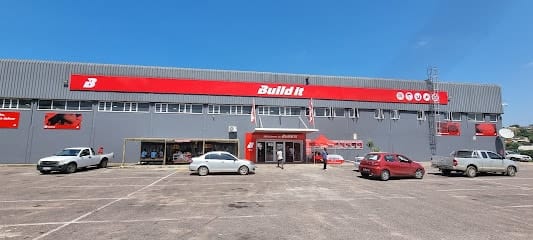
Build it MEGA Philani Valley is a Building materials store establishment in Durban, KwaZulu-Natal, South Africa
Durban
KwaZulu-Natal
South Africa
Sorry, no records were found. Please adjust your search criteria and try again.
Sorry, unable to load the Maps API.
Building Materials Stores in Durban: Services and Practical Considerations
Durban, situated on the KwaZulu-Natal coastline, hosts a variety of building materials suppliers that cater to residential, commercial, and civil construction projects. These stores typically offer a broad range of products, from basic building blocks and cement to specialised finishing materials, timber, plumbing fittings, and electrical supplies. The landscape blends large, multi-brand outlets with independent suppliers, each aiming to support local construction needs with practical stock and accessible services.
Customers can expect a central hub for advice, procurement, and logistics. Staff in building materials stores commonly provide guidance on material selection, compatibility, and application for common Durban projects, such as home renovations, extensions, and new builds. While in-store expertise varies, many locations feature dedicated counters or departments for specific categories, including masonry, timber, plumbing, electrical, paints, and hardware. For larger or more technical purchases, some outlets offer project consultants or trade specialists who can discuss load-bearing considerations, moisture resistance, and suitability for Durban’s humid subtropical climate.
Delivery and collection form core parts of the service offering. Local stores frequently provide access to bulk materials and heavy items through delivery fleets or arranged transport. Customers may arrange same-day or next-day delivery depending on stock, location, and order size. For smaller orders, curbside or in-store self-collection are common options. It is typical to be asked for a contact phone number and a delivery address, with an emphasis on clear guidance regarding access to the site to avoid scheduling issues.
Pricing and payment terms are generally straightforward yet vary by outlet. Most stores publish price ranges for everyday items such as cement, sand, bricks, plaster, and timber, with bulk discounts available for builders and contractors. Payment methods commonly include cash, debit or credit cards, and sometimes business accounts or trade terms for regular customers with established credit facilities. Some retailers may require a credit application for larger purchases or delivery services. Receipts, delivery notes, and order references are standard documentation to keep track of purchases and warranties.
Customer service often extends beyond the point of sale. Many Durban stores maintain partnerships with local suppliers to source an array of finishes, tiles, roofing materials, and ironmongery. Return and exchange policies tend to cover damaged or incorrect items, subject to time limits and packaging integrity. Warranties and guarantees are sometimes available on certain products, particularly structural materials and major components such as pipes, roofing sheets, and timber treated against rot and pests. In some cases, stores can provide guidance on local building regulations and compliance considerations, though professional design or engineering input typically lies outside the standard retail offering.
Practical considerations for shoppers include accessibility, stock availability, and weather-related factors. Durban’s climate can influence material choices, such as moisture-resistant options for plaster and timber treatments. Homeowners and contractors may need to balance cost with durability, corrosion resistance for metal fittings, and suitability for coastal air and humidity. It is prudent to verify stock before travel for larger or unusual orders, plan for transport constraints in urban and coastal corridors, and consider timing around rainy seasons when handling bulk materials or timber.
In sum, Durban’s building materials stores function as practical hubs for sourcing, guidance, and logistics, supporting both small-scale upgrades and larger development projects. The usual workflow involves selecting appropriate materials, arranging delivery or collection, arranging payment, and managing post-purchase support, with local nuances shaped by climate, proximity to suppliers, and the city’s commercial landscape.