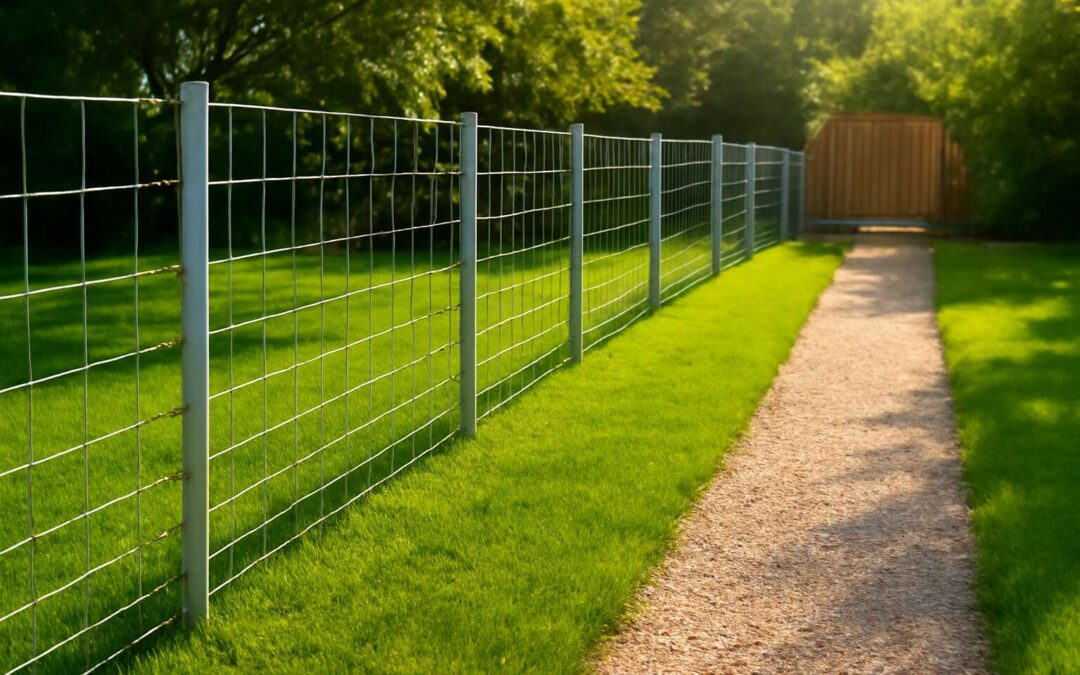
Overview of metal fence posts
Why metal posts are a strong choice for fencing
From the coastline to the veld, a fence is more than a boundary—it is a statement of permanence. A recent industry snapshot suggests metal posts endure up to twice as long as timber in South Africa’s sun and rain. In fencing with metal posts, galvanised and powder-coated options resist rust and warping, keeping lines true and gates aligned. They anchor not only rails but a quiet sense of place.
- Durability in harsh SA weather
- Low maintenance compared to timber
- Flexible design for gates and rails
Why metal posts are a strong choice for fencing is clear: the blend of strength, long-term value, and clean lines speaks to practical homeowners and ambitious developers alike. They resist weather, avoid rot, and stay plumb with minimal upkeep, making them ideal for coastal properties and inland estates. When installed with proper footing and coatings, metal posts deliver decades of boundary confidence and a poised, modern silhouette.
Common metals used in fence posts (steel, aluminum, stainless)
Across South Africa, fencing with metal posts isn’t just sturdy—it’s a declaration of permanence. A recent industry snapshot shows they endure up to twice as long as timber under our sun and rain.
Overview of metal fence posts: they bring rigidity, clean lines, and long-term value to any boundary. When paired with galvanised or powder-coated finishes, they resist rust and warp, staying visually true through the seasons. Proper footing and coatings yield decades of boundary confidence and a poised silhouette.
The main metals used in fence posts include:
- Steel — strong, often galvanised for extra rust protection.
- Aluminium — lightweight, durable, and naturally corrosion resistant.
- Stainless steel — premium resistance and a sleek, modern look.
Each metal lends a distinct character to the fence, from industrial heft to understated elegance.
Coatings and finishes to extend life (galvanization, powder coat)
Across South Africa, fencing with metal posts isn’t just sturdy—it’s a declaration of permanence. Under our sun and rain, they endure up to twice as long as timber, turning boundaries into lasting statements.
Coatings and finishes are the quiet guardians. Galvanization adds a zinc shield that fends off rust; powder coating seals the frame in a durable colour layer, resisting chips and UV fade in coastal or inland climates.
- Galvanization: hot-dip zinc for rust protection and longevity
- Powder coating: a durable, UV-resistant finish in a wide colour range
Together, these finishes keep the line rigid, visually true, and ready for decades of weather and wonder.
Environmental and durability benefits
Across South Africa, fencing with metal posts stands up to climate and time better than timber, with some installations lasting up to twice as long under sun and rain. That endurance isn’t luck—it’s a careful blend of design, material choice, and finishes!
Metal posts deliver predictable performance: high load tolerance, minimal warping, and resistance to pests. When paired with durable protective finishes, they resist rust and fade across coastal and inland SA climates, keeping lines true and fences steadfast even after years of weather.
- Lower life-cycle resource use due to longer service life
- Fully recyclable components at end of life
- Reduced maintenance and fewer replacements
In this overview, the environmental and durability benefits are clear: fences that stay standing, with less disruption and more permanence in communities across the country.
Materials, types, and compatibility
Comparing steel, aluminum, and stainless steel posts
In a wind-swept realm where dawn meets borders, fencing with metal posts carries a quiet magic that outlasts storms. Across South Africa, steel, aluminum, and stainless steel stand as steadfast sentinels, each with a rhythm for your boundary!
Steel posts offer rugged durability and good value, especially in stable climates. Aluminum keeps installation swift and light, while stainless steel shines in harsher soils, resisting corrosion for decades.
- Steel: durable and affordable with dependable strength
- Aluminum: light, easy handling, quick to install
- Stainless steel: maximum longevity in challenging environments
For fencing with metal posts, compatibility with rails and hardware matters; consider ground conditions and climate. The right mix turns the boundary into a lasting, magical line.
Choosing post diameters and thickness for different fence heights
“The line is only as strong as its backbone,” a veteran fence craftsman likes to say. In the wind-swept borders of South Africa, a fence is more than wood or wire — it is a quiet cathedral of endurance. In fencing with metal posts, the choice of material, diameter, and wall thickness sets the rhythm for every height and horizon.
Materials and types shape the boundary. Consider how posts withstand soil and climate, and how compatible they are with rails and hardware.
- Shorter fencing (up to 1.2 m) finds harmony in lighter posts and thinner walls
- Mid-height panels (1.2–1.8 m) pair robust diameter with balanced wall thickness
- Tall, windy borders demand heavy-duty posts and reinforced bases!
Ground conditions and climate steer selection, ensuring longevity without compromise. The post diameter and thickness form the unwritten frame that keeps the line intact, season after season.
Rail and panel compatibility with metal posts
Materials and compatibility set the rhythm of a fence line. In South Africa’s heat and wind, steel, aluminum, and stainless options each bring a distinct cadence to fencing with metal posts. The right post design couples with rail profiles and panel systems, allowing joints to breathe with seasons while maintaining line integrity under pressure.
Rail and panel compatibility with metal posts hinges on shared geometry and finish. Consider how posts accept rails, panels, and fasteners, and ensure corrosion resistance matches the environment.
- Rail profiles that match post layouts (box, U-channel, or flat-faced rails)
- Attachment methods (concealed brackets, through-fasteners, or lag-fasteners)
- Finish coordination across posts, rails, and panels
Think of the coast, veld, and hinterland. The right combination keeps panels true and the line poised against change, a quiet sentinel in every SA landscape.
Finish options: galvanized, powder-coated, and black oxide
South Africa’s sun and wind demand stubborn hardware. In fencing with metal posts, materials set the rhythm: steel, aluminum, and stainless each carry a distinct cadence for tight lines and easy maintenance. The right post design plays nicely with rail profiles and panel systems, letting joints breathe with the seasons while staying true under pressure.
Finish options keep corrosion at bay and style on point. Galvanized for rugged resilience against coastal spray, powder-coated for color versatility and UV endurance, and black oxide for a sleek, industrial edge that hides fingerprints and adds contrast with lighter rails.
- Galvanized
- Powder-coated
- Black oxide
Security and privacy considerations with metal posts
South Africa’s sun-baked yards demand fences that endure, not fade. In fencing with metal posts, endurance is the quiet king, guiding every joint and silhouette. “Strength outlasts flash,” a veteran craftsman likes to say, and the right material sets a rhythm that keeps a boundary true through heat, wind, and the occasional storm.
Materials span ferrous and non-ferrous families, with hollow or solid cores offering different stiffness and handling. Choose post geometry that breathes with your design—clean lines, simple joins, and a durable spine that ages gracefully in coastal air or inland sun.
- Material longevity in SA conditions
- Core design impacts rigidity and ease of install
- System compatibility without compromising aesthetics
Security and privacy with metal posts hinge on how sightlines and access are managed. Taller profiles, denser spacing, and discreet hardware deter unwelcome gaze while preserving openness where desired. Fencing with metal posts becomes a sentinel that guards families, pets, and property lines with quiet authority.
Installation planning and methods
Site assessment and layout for posts
South Africa’s weather tests fences—storm winds, heavy rains, and blazing sun—yet the right plan makes them endure. In South Africa’s varied landscapes, sightlines, terrain quirks, and future access points shape the craft. When considering fencing with metal posts, the vision should balance durability with aesthetic flow, guiding corners, runs, and gates in a single harmonious arc.
- Gauge line along the intended run to maintain even alignment
- Assess soil stability and drainage at low spots
- Plan access for maintenance vehicles and materials
- Confirm boundary lines and any easements with local records
Site assessment and layout for posts should respect property boundaries and existing features, translating notes into a clean, efficient field plan that minimizes adjustments later.
Footings and anchoring options (concrete footings, sleeves, or through-bolts)
“Strong foundations keep fences standing,” a veteran installer says. For fencing with metal posts, the footing choice sets performance in SA winds and sun. Footings and anchoring options include:
- Concrete footings with embedded rebar for bearing
- Sleeves for removable posts
- Through-bolts into concrete or masonry
Concrete footings provide solid base and load spread. Sleeves protect post integrity where access matters; through-bolts offer a quick, rugged tie to existing slabs. For this style, the choice should reflect soil conditions, drainage, and whether permanence or access is preferred.
From footprint to field reality, translate notes into a clean installation plan. In SA terrain, the right footing strategy keeps aesthetics and function aligned in one steady arc.
Setting posts and aligning for a straight fence
I’ve learned the straightest fence arc starts in the plan, not in the dirt. In South Africa, wind doesn’t wait for you to finish; it tests every corner. Proper planning can boost wind resilience by up to 60%, and for fencing with metal posts, the footing and anchoring choice drives performance and longevity.
The installation plan for setting posts and aligning a straight fence should respect soil conditions, drainage, and whether permanence or access is preferable. Translate footprint notes into field realities so aesthetics and function run in one steady arc.
- Soil drainage considerations
- Access and maintenance needs
- Permanence versus removable options
With those principles in mind, the plan threads footing or sleeve or through-bolt choices to a clean, straight line across the site. The right approach keeps the fence both sturdy and stylish.
Attaching panels and rails to metal posts
Wind has no calendar; it arrives unannounced and rattles every seam. In South Africa, a well-planned fence can boost wind resilience by up to 60%. The story of a straight, sturdy boundary begins in design and flows into the field, not the dirt—fencing with metal posts.
Attaching panels and rails to metal posts is where the line truly forms. Opt for corrosion-resistant hardware and hardware that allows a small thermal movement without binding. Consider these common approaches:
- hidden clips
- surface brackets
- through-bolts with sleeves
The result is a seamless arc that reads as a single sweep along the landscape, sturdy yet stylish, ready to face both sun and storm without breaking the line.
Maintenance, longevity, and cost considerations
Preventive maintenance and corrosion protection
Maintenance pays handsome dividends: in South Africa, a proactive approach can extend the life of fencing with metal posts by up to 50%. That resilience means fewer replacements and lower long-term costs amid coastal salt spray.
Preventive maintenance and corrosion protection are not afterthoughts; they are the frontline of value. Regular checks prevent small issues from spiraling, while coatings shield metal posts from moisture. The following steps keep the line straight and the corrosion at bay:
- Inspect fasteners for tightness and rust.
- Clean surfaces to remove salt, dirt, and moisture.
- Recoat galvanised areas and touch up wear.
Cost-wise, upkeep remains predictable. Annual inspections plus modest touch-ups cost far less than full replacement, and they preserve aesthetics and site value in a South African context for fencing with metal posts.
Coating lifecycle and repainting vs. replacement
Maintenance isn’t optional; it’s the guardrail that keeps fencing with metal posts resilient against time and weather. A strategic coating cycle protects against moisture and corrosion, extending life and keeping long-term costs predictable in South Africa’s climate.
- Coating lifecycle milestones: galvanizing, weathering trends, and planned recoat windows.
- Repainting vs. replacement: when a refresh is more economical than a full rebuild.
- Budget planning: predictable upkeep costs over the fence’s lifespan.
Longevity hinges on timely touch-ups and sustained protection, reducing the odds of expensive rebuilds. For fencing with metal posts, the math is straightforward: coating intervals matter as much as the structural design, shaping both durability and aesthetics.
Cost breakdown: materials, labor, and long-term value
Maintenance is not an afterthought; it is the weatherproof vow that keeps your investment standing tall in South Africa’s shifting light! A disciplined upkeep cadence slows corrosion, preserves aesthetics, and ensures your fence remains a reliable boundary through sun, rain, and dust.
For fencing with metal posts, longevity hinges on a clear cost plan that balances upfront materials with ongoing labor, while safeguarding long-term value against unforeseen repairs.
- Materials: durable posts, fasteners, and protective finishes chosen to suit climate
- Labor: installation quality and periodic refreshes that prevent rust and misalignment
- Long-term value: lower total ownership costs through extended life and fewer rebuilds
Together these elements keep the project economical, predictable, and proudly present in the landscape.
