
GLT Solar and Electrical is a Solar energy company establishment in Tzaneen, Limpopo, South Africa
GLT Solar & Electrical: Solar energy solutions for homes and businesses in Tzaneen
GLT Solar & Electrical operates from Green Living Today (Pty) Ltd, serving the Tzaneen and Limpopo region with a focus on clean, renewable energy. The business presents itself as a turnkey provider for solar power systems, combining design, installation, and ongoing maintenance to create reliable, long‑term energy resilience for customers facing rising utility costs and periodic load shedding. A notable emphasis is placed on practical, future‑proof solar installations that can grow with a customer’s evolving energy needs.
Key services described include:
- Solar System Installations: Complete residential and commercial solar setups designed to convert sunlight into usable electricity.
- Energy Storage Solutions: Battery storage options to retain excess solar generation for use during night hours or grid outages.
- Detailed Roof Inspections & Site Visits: Thorough assessments to determine roof suitability, shading, orientation, and the most effective layout for panels and inverters.
- Solar Panel Upgrades & Cleaning: Upgrades to higher‑capacity panels and regular cleaning to maintain system efficiency.
The firm presents its work as a long‑term partnership founded on quality installations, robust guarantees, and timely maintenance. This approach aims to deliver certainty and satisfaction, enabling customers to realise ongoing savings and greater autonomy from the national grid. The company highlights that its offerings are designed to adapt to future energy needs, stressing that well‑planned PV installations can translate to meaningful, long‑term financial and environmental benefits.
In addition to its solar offerings, GLT Solar also markets electrical services under the GLT Electrical banner. This branch of the business lists capabilities in gate automation, access control, electric fencing, CCTV surveillance, and general electrical works, including fault finding and maintenance. The combined portfolio suggests an integrated approach for clients seeking both renewable energy systems and security or electrical infrastructure improvements.
The company supports solar projects with certifications that can facilitate customer financing. Labels such as PV Greencard Certified Installer (INST‑6041428) and Sunsynk Approved Installer (A) (Certificate No. 538260) are highlighted, with claims that PV Greencard status may enable customers to secure loans to fund their systems. The emphasis on certifications positions GLT Solar as a provider aiming to meet standard industry expectations for safety, quality, and compatibility with financing mechanisms.
Customer feedback featured in visitor reviews paints a positive picture of the service experience. Reviewers describe GLT Solar as professional and technically proficient, noting friendly, helpful staff and high levels of satisfaction with the work performed. Several customers commend the team for reliability and the quality of installations, with remarks about top‑class service and recommendations to others considering solar. These sentiments align with the company’s stated aim of delivering dependable solar energy solutions and dependable post‑installation support.
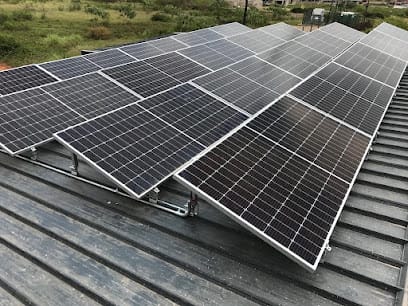
Typical project types referenced in the gallery and project notes include multi‑panel systems paired with various inverter and battery configurations, highlighting the versatility of GLT Solar’s offerings. Installations showcase different scales—from moderate residential systems to larger 16 kW configurations paired with high‑capacity battery banks—illustrating a capability to tailor solutions to load requirements and budget.
Practical tips for customers considering GLT Solar include the following:
- Request a detailed site visit and roof inspection to confirm panel orientation, shading, and mounting options before finalising design choices.
- Ask for a formal design proposal and bill of materials that clearly itemises panels, inverters, and battery capacities aligned to expected loads and backup requirements.
- Discuss available storage strategies, including battery type, depth of discharge, and expected cycle life to match daily consumption patterns.
- Inquire about maintenance schedules, panel cleaning routines, and the inclusion of warranties or guarantees for both hardware and installation work.
- Confirm financing options connected to PV Greencard eligibility and verify any bank‑linked requirements to streamline the funding process.
GLT Solar and Electrical serves the Tzaneen area and the broader Limpopo region, offering a locally focused service with a demonstrated emphasis on reliability and customer satisfaction. The combination of solar installations, storage solutions, electrical services, and customer‑facing assurances positions GLT Solar as a practical partner for organisations and households seeking to stabilise energy costs and enhance resilience through solar power.
Tzaneen
Limpopo
South Africa
Sorry, no records were found. Please adjust your search criteria and try again.
Sorry, unable to load the Maps API.
Solar Energy Services in Tzaneen, Limpopo
In the Limpopo town of Tzaneen, solar energy providers offer a range of services aimed at delivering reliable, daylight-powered electricity for homes, farms, and small businesses. The focus is on practical, cost‑effective solutions that can withstand the local climate while supporting energy independence. Providers typically combine assessment, design, installation, maintenance, and ongoing support to create customised solar setups that align with consumption patterns and budget constraints.
Initial consultations usually begin with a careful site assessment. A technician evaluates available roof space or ground mounting options, sun exposure throughout the year, shading from trees or neighbouring structures, and the potential for battery storage. This stage may also review current electricity usage, seasonal demand, and any existing electrical infrastructure to determine the appropriate balance of solar panels, inverters, storage, and auxiliary power sources. In Tzaneen, where climate and cloud cover can vary, the assessment emphasises ensuring consistent generation during peak consumption periods, particularly on hot, sunny days when air conditioning and refrigeration drive demand.
Design and planning follow, translating assessment findings into a scalable system. Solar arrays are arranged to maximise energy capture while considering roof orientation and mounting options. In many installations, an inverter converts direct current produced by solar modules into usable alternating current for household or business circuits. For sites where power reliability is crucial, storage solutions such as batteries are incorporated to bridge gaps during grid interruptions or load shedding. The design also accounts for safety, compliance with local electrical regulations, and straightforward future expansion if energy needs grow.
Installation is performed by qualified technicians who install mounting hardware, connect panels, and terminate electrical connections with care and precision. The process typically includes wiring, inverter integration, a safety switch, and sometimes a monitoring system that provides real-time data on production and consumption. In rural or semi-urban parts of the region, installers may coordinate with local electrical contractors to ensure compatibility with existing distribution boards and grid codes, while prioritising a neat, weather-resistant finish that withstands the elements.
Post‑installation services cover commissioning, performance testing, and continuous monitoring. Customers can expect a hands‑on explanation of system operation, including best practices for system maintenance and safe handling of stored energy. Regular maintenance visits may be offered to inspect mounting hardware, clean panels to maintain efficiency, and verify electrical connections. Monitoring solutions help track energy generation versus usage, identify underperformance, and alert owners to potential issues that require technician attention. In many cases, service plans include remote diagnostics and a clear pathway for repairs or component replacement if needed.
Practical considerations frequently highlighted by providers include local weather patterns, dust and pollen exposure, and the impact of seasonal power demand on system sizing. Warranties and service terms are explained, with emphasis on the longevity of components such as panels, inverters, and batteries, and the importance of proper cooling and ventilation for battery storage. Clients are advised on maintenance habits, including frequent cleaning of solar surfaces and prompt reporting of any unusual system alarms or drops in performance.
Residents and businesses in Tzaneen can expect transparent, advisory conversations focused on value and suitability rather than hype. While every installation is unique, the typical path from assessment to commissioning aims to deliver predictable energy savings, reduced reliance on the grid, and a more resilient energy profile. By aligning technology with local circumstances, solar energy services in this part of Limpopo strive to support sustainable growth while ensuring practical, measurable outcomes for users.