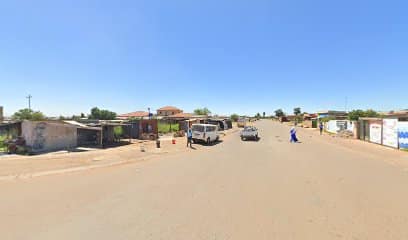
CHABA TSOHLE CONSTRUCTION & PROJECTS is a Construction company establishment in Sebokeng, Gauteng, South Africa
Sebokeng
Gauteng
South Africa
Sorry, no records were found. Please adjust your search criteria and try again.
Sorry, unable to load the Maps API.
Construction Services in Sebokeng, Gauteng
Construction companies serving Sebokeng in Gauteng provide a broad range of building and related services tailored to both residential and commercial needs. Local projects often combine new-build requirements with renovations, extensions, and facilities upgrades, delivered through teams that understand the regional climate, regulations, and supply chains. The focus is typically on practical outcomes, reliable timelines, and clear coordination among design, permitting, procurement, and on-site execution.
Many projects begin with a consultative phase, during which a client’s objectives are discussed, site surveys are conducted, and feasibility is assessed. From there, a construction firm may produce a practical plan that outlines scope, budget bands, and a realistic timetable. While specific processes vary, the common progression tends to include design input, obtaining necessary permits, site preparation, sourcing of materials, and the mobilisation of trades. Throughout, communication centres on progress updates, risk management, and adjustments to address ground conditions, changes in client requirements, or weather-related delays.
Typical services fall into several broad categories. Residential construction covers new homes, extensions, and refurbishment projects that enhance living spaces, energy efficiency, and comfort. Commercial work often encompasses small to mid-sized office refurbishments, retail fit-outs, and light industrial facilities, with an emphasis on uninterrupted access for tenants and compliant safety standards. Industrial projects may involve installation or upgrade of heavy-duty systems, storage facilities, and workshop renovations. Civil elements can include earthworks, drainage improvements, and access ways that support long-term durability of sites in Sebokeng’s environment.
Design and build approaches are common, enabling a single point of contact for both architectural concepts and structural implementation. This can streamline decision-making and help align budget, schedule, and quality, though the level of involvement varies by project. Where appropriate, independent project management and on-site supervision are provided to coordinate trades such as demolition, concrete work, carpentry, bricklaying, roofing, plumbing, electrical installations, and finishing trades. The aim is to deliver a cohesive build while maintaining safety, quality, and regulatory compliance.
Practical considerations in Sebokeng include ensuring compliance with local planning requirements, building codes, and safety regulations. Suppliers and subcontractors are often chosen for reliability and proximity, reducing transport times and supporting timely delivery of materials. Environmental factors, such as Gauteng’s climate and potential weather disruptions, influence scheduling and site care, including waterproofing, insulation, and moisture control in both new builds and renovations. Clients can expect clear contract terms, defined payment schedules, and a focus on quality control at various milestones.
Facilities upgrades may extend beyond structure to services and systems. Electrical and plumbing work, heating and cooling considerations, as well as energy-efficient installations, are commonly included where permissible. Finishings, such as plastering, tiling, painting, and carpentry, complete spaces in line with design intent and budget. In many cases, warranty and aftercare arrangements are discussed to support ongoing maintenance and future renovations.
For those planning a project in Sebokeng, it is prudent to engage early with professionals who can assess site access, logistics, and any constraints related to neighbouring properties. A typical engagement results in a clear brief, a phased plan, and transparent cost estimates, with flexibility to adapt as designs evolve or unforeseen conditions emerge. In all instances, the emphasis is on delivering durable constructions that meet client expectations while adhering to local norms and safety standards.